




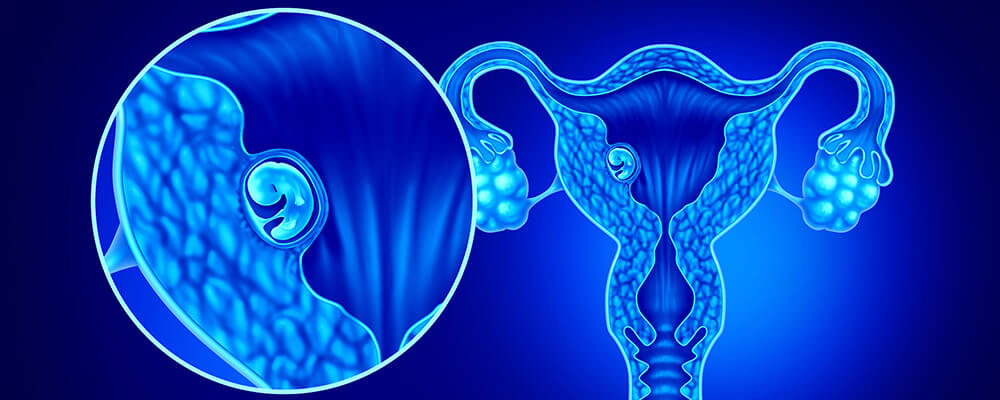
Reduction is the meaning of the word reduction and fetal reduction means the reduction of the number of babies in the uterus in the case of multiple pregnancy.
Pregnancies with two or more babies are called multiple pregnancies. The human uterus is physiologically suitable for carrying 1 or 2 babies (it is not possible to carry two babies in some congenital uterine anomalies). What we mean by the word carry is to be suitable for 'on-time (miad) birth'. A normal pregnancy is 40 weeks and 37 weeks and above are called on-time births.
Births below 37 weeks are called premature birth (premature birth), while births under 32 weeks are called extreme preterm births.
As the number of babies in the womb increases, the risk of preterm birth increases proportionally to the number of babies.
Multiple pregnancy rates are also increasing due to the increase in IVF treatments. In triplet or higher multiple pregnancies, the fetal reduction option is presented to the family and necessary information is given in order to prevent the health of the expectant mother and the health problems that may be seen in babies due to premature birth.
While the risk of high blood pressure, diabetes, anemia or excessive bleeding increases in the expectant mother in multiple pregnancies, the need for neonatal intensive care due to prematurity in preterm babies, brain-eye-eye-heart-lung-intestinal diseases and jaundice, severe infection (sepsis) risk increases.
What is the ideal time interval for fetal reduction and how is the procedure done?
Since the reduction process to be performed in the early stages of pregnancy is less likely to harm the remaining baby or infants, 11-14 for the procedure. Pregnancy week (especially 11-12 weeks) is preferred. With the help of an ultrasound, a drug (potassium chloride) is injected into the heart of the targeted fetus or fetuses with the help of a thin needle. It is observed that the heartbeat stops on ultrasound.
While deciding which baby's heart will be stopped, certain criteria are taken into consideration (such as the number of placenta, the place of the baby, the rate of fetal development, the easy accessibility, the baby's neck thickness..)
After the procedure, the body dissolves the dead baby by melting it; It is also not thrown out of the womb, etc. The rate of being affected is quite low in the remaining babies and if there will be a problem, it is usually seen within two weeks after the procedure.
Frequently Asked Questions
We usually start treatment on the 2nd or 3rd day of your period, and the process is completed within approximately 20-21 days. After the transfer, we wait 12 days and perform a pregnancy test on your blood.
Our success rates generally range between 60% and 80%. These rates may vary depending on age and health status.
Our donors are selected from healthy individuals aged 20-30 who meet the appropriate criteria.
Yes, we can select healthy embryos using genetic screening methods. For couples with a family history or risk of genetic disease, this method offers a very high chance of having a healthy baby.

Free Consultation
Our expert consultants will get back to you as soon as possible.
