




What Is Donation? Types of Donation in IVF
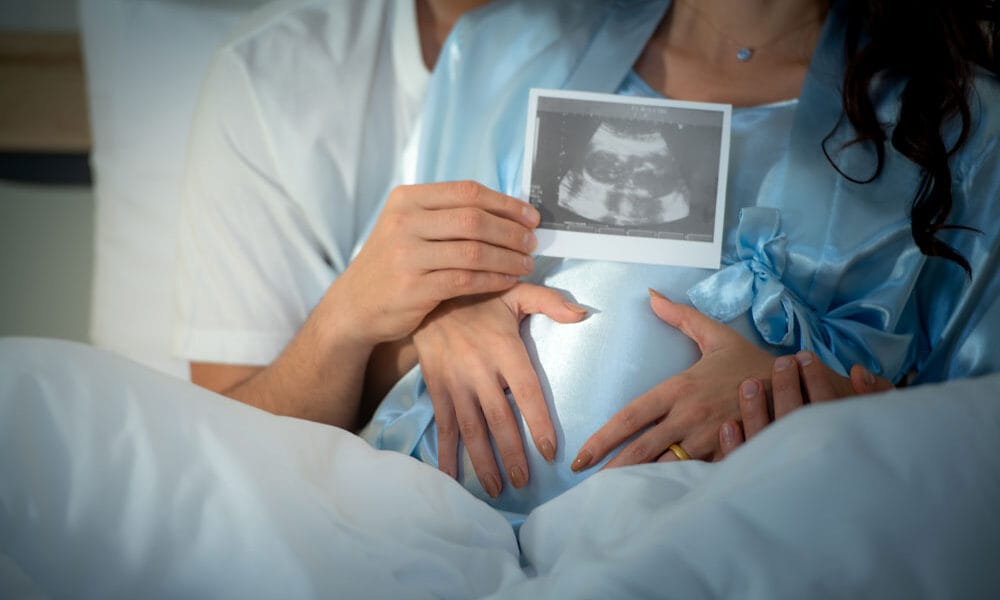
In the IVF treatment process, you’ll often come across the term “donation” — but what does it actually mean? Donation, in its simplest definition, is the use of reproductive cells from a voluntary donor when a couple cannot achieve pregnancy with their own reproductive cells (egg, sperm, or embryo). In this article, we explain the types of donation, who it’s suitable for, and why these treatments are possible in Cyprus.
What Is Donation?
Donation is the transfer of reproductive cells from a health-screened, voluntary donor to couples who cannot conceive with their own egg, sperm, or embryo. These treatments are offered in Cyprus within a legal and regulated framework that fully complies with international standards.
What Are the Types of Donation?
Egg Donation
Egg donation is suitable for women with low ovarian reserve, early menopause, or repeated failed attempts with their own eggs. The donor egg is fertilized with the partner’s sperm, and the resulting embryo is transferred to the intended mother.
Sperm Donation
This is an option for couples with severe male factor infertility (for example, azoospermia, meaning no sperm cells are present in the semen) or for women without a partner. Donors from internationally certified sperm banks, who have undergone detailed health and genetic screening, are used.
Embryo Donation
For couples with both egg and sperm factors, embryo donation — embryos donated by another couple after their own treatment — is used. This option combines multiple treatments into a single step.
Who Is Donation Suitable For?
If you’ve encountered one of these situations, know that you’re not alone; many couples have become parents through donation after going through a similar process. Donation is generally considered an option in the following situations:
- Women with diminished ovarian reserve or early menopause
- Couples experiencing repeated IVF failure
- Couples with severe male factor infertility
- Individuals who cannot use their own cells due to carrying a genetic disease
- Individuals who wish to become a parent without a partner
How Does the Donation Process Work?
The process consists of donor selection, health and genetic screening, synchronization (in egg donation), and embryo transfer. The entire process is managed from start to finish by the clinic’s coordination team; the patient has no direct contact with the donor, and the whole process is carried out under strict confidentiality principles.
The main steps of the process can be summarized as follows:
- Donor Selection: The clinic determines the most suitable donor for the recipient based on criteria such as physical characteristics, blood type, and genetic history.
- Health and Genetic Screening: The prospective donor undergoes infectious disease tests, hormone profiling, and genetic carrier screening.
- Synchronization: In egg donation, the cycles of the donor and recipient are synchronized with medication.
- Fertilization and Embryo Development: The retrieved eggs are fertilized in the laboratory, develop into embryos, and are observed for several days.
- Embryo Transfer: A suitable-quality embryo is transferred into the intended mother’s uterus, and the process is followed up with a pregnancy test.
Why Is Donation Possible in Cyprus?
In Cyprus, donation treatments are offered within a legal and regulated framework that fully complies with international standards. This regulated legal framework provides legal protection for both the donor and the recipient.
Kolan British IVF Center combines this legal advantage in Cyprus with internationally accredited laboratory infrastructure and an experienced medical team, offering patients coming from abroad a safe and transparent treatment process.
Factors Affecting Success Rates in Donation Treatment
Success rates in donation treatments depend on many factors, including the donor’s age and health status, the quality of the embryology laboratory, the recipient’s uterine health, and the accuracy of the protocol applied. Using eggs and embryos from young, healthy donors significantly increases success rates. For this reason, donor selection and laboratory standards are among the most critical elements of donation treatment.
Frequently Asked Questions
Is the success rate of donation treatment higher?
Generally, yes — especially in egg donation, since eggs from young, healthy donors are used, success rates can be higher compared to treatments using a woman’s own eggs.
Is the donation process confidential?
Yes, donor and recipient information is kept mutually confidential, and the clinic manages this process securely.
How many times do I need to travel to Cyprus for donation treatment?
This varies depending on the case, but most patients can complete the transfer stage in a single trip after the initial evaluation; the clinic’s coordination team supports the patient throughout the travel planning process.
Would you like to find out if donation is a suitable option for your situation? Book an Appointment
Is there a risk of confusion.
IVF treatment is a reliable and effective method for families to have the baby they dream of. However, one of.
Read more
Why Is Psychological Preparation Important During.
Neşe Sarıcalı, Clin. Psych. Kolan British IVF Centre Clinical Psychologist and IVF Process Counsellor Answers. IVF treatment is not only.
Read more